
Linkpool vs Linkhouse: Matching Opportunities or Filter-Led Research?
Linkpool and Linkhouse both help agencies and website owners organize link acquisition, but their starting points differ. Linkpool emphasizes article-level opportunity matching and publisher review. Linkhouse combines a large marketplace with many filters, SEO data and planning tools. Choosing between them is mainly a question of how your team wants to discover, review and manage opportunities.
Public product information was checked on October 31, 2026. Marketplace inventory, metrics, prices and product modules change. Verify the live interface and applicable terms before committing budget. This guide describes workflow tradeoffs and does not promise search performance.
Quick answer
Choose Linkpool when you want a focused backlink marketplace that begins with relevant publisher articles, supports publisher acceptance or counteroffers, and verifies the final placement. Choose Linkhouse when you want to search a large international catalog with extensive filters, compare third-party metrics and optionally use planning or competitor-gap tools.
The two approaches can coexist. A catalog is useful for broad market coverage. Article matching is useful when contextual fit must be visible before an advertiser sends a request.

Map the decision before opening either platform
Define the destination page, intended audience, countries and languages, acceptable content categories, exclusions, preferred placement format, evidence threshold and review owner. Add one sentence explaining why a reader of the source article would benefit from the destination.
That last sentence is the best early filter. If it cannot be written honestly, another authority score will not make the placement contextual.
Linkhouse's official materials describe a marketplace with numerous filters and data from established SEO providers, plus tools such as Link Planner and Backlink Gap. Linkpool's public workflow describes matching campaigns with publisher articles and using connected evidence to support review. Test each platform against the same brief.
Compare discovery models
A filter-led marketplace gives the buyer direct control over the search. This suits agencies with documented selection criteria and staff who can investigate a large list. Filters can narrow country, language, niche, traffic, authority, price and format. They do not read the article for you.
An opportunity-led workflow narrows the starting set by campaign and article context. It can reduce manual prospecting when good publisher content is indexed, but the suggestion is only a candidate. The advertiser must read the page and the publisher must decide whether the reference is editorially appropriate.
Inspect the page, not only the portal
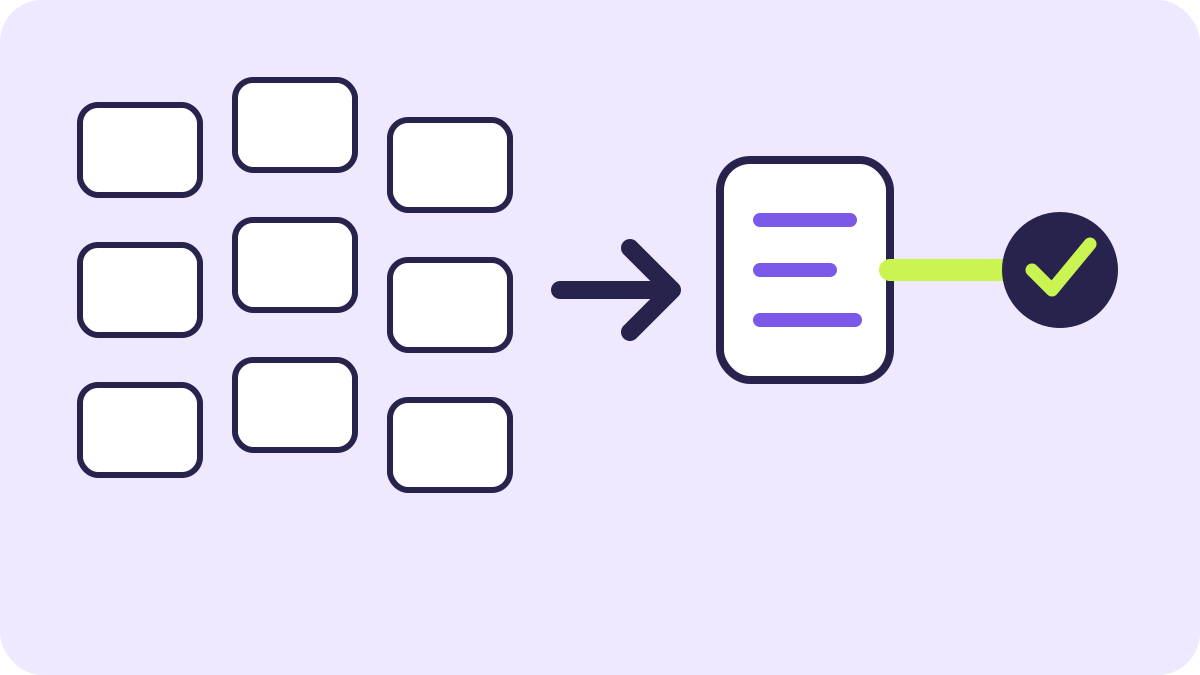
Open the proposed article and at least three recent posts from the same site. Check whether the publication has a coherent audience, named authors, useful navigation, reasonable commercial density and functioning pages. Look for patterns of thin sponsored material or unrelated outbound links.
Third-party metrics are useful when their definitions are preserved. Linkhouse states that its platform includes information from providers such as Ahrefs, Semrush and Majestic. Linkpool emphasizes publisher-connected Search Console evidence. Those sources are not interchangeable. Record provider, scope, period and refresh date.
For a repeatable decision, use the placement approval checklist. It keeps audience fit, destination accuracy, editorial quality and commercial terms in the same record.
Compare planning assistance
Linkhouse promotes Link Planner for campaign suggestions and Backlink Gap for finding referring domains used by competitors. These tools can help an agency build a starting list. Competitor overlap is not automatically a recommendation. A competitor may have old, paid, irrelevant or low-quality links that should not be copied.
Linkpool's matching model is closer to retrieval by campaign and article meaning. That can surface specialist pages a simple domain comparison misses. It can also miss suitable publishers that have not connected or whose content has not been indexed correctly.
Treat automation as research support. Require a reviewer to explain the source–destination relationship in plain language before approving a request.
Compare placement formats
Linkhouse publicly describes guest posts, link insertions and text or image backlinks, with formats depending on publisher offers. Linkpool is designed around contextual opportunities in publisher articles. Confirm the exact format for every candidate rather than assuming the platform name determines it.
For an existing article, inspect the paragraph before and after the insertion point. The reference should strengthen the explanation. For a guest post, review the complete article outline, author treatment, disclosure, images, editing rights and publication location.
The guide to how contextual placements work explains the path from discovery through publisher review and live verification.
Compare price without hiding work
Record the publication price, writing fee, platform charge, taxes, revisions, monitoring, duration and replacement terms. Add the time your team spends on research and approvals. A low listed price may require more editorial repair; a higher price may include services you do not need.
Linkhouse says registration does not require a subscription and supports several currencies and payment routes. Linkpool lets publishers respond to opportunities and counter a proposed price. Check the current offer in the authenticated product because public descriptions cannot show campaign-specific inventory.
Use the 2026 link-insertion pricing guide to normalize relevance, evidence and editorial work before comparing totals.
Evaluate control and handoff
The agency should know who approves the destination, anchor, paragraph, publication date and changes after launch. The publisher should be able to reject a request that conflicts with its audience or standards. Keep the final agreed version in one place.
When a platform offers managed execution, document what remains your responsibility. When a platform offers self-service matching, document who follows up and when an opportunity expires.
Verify and monitor
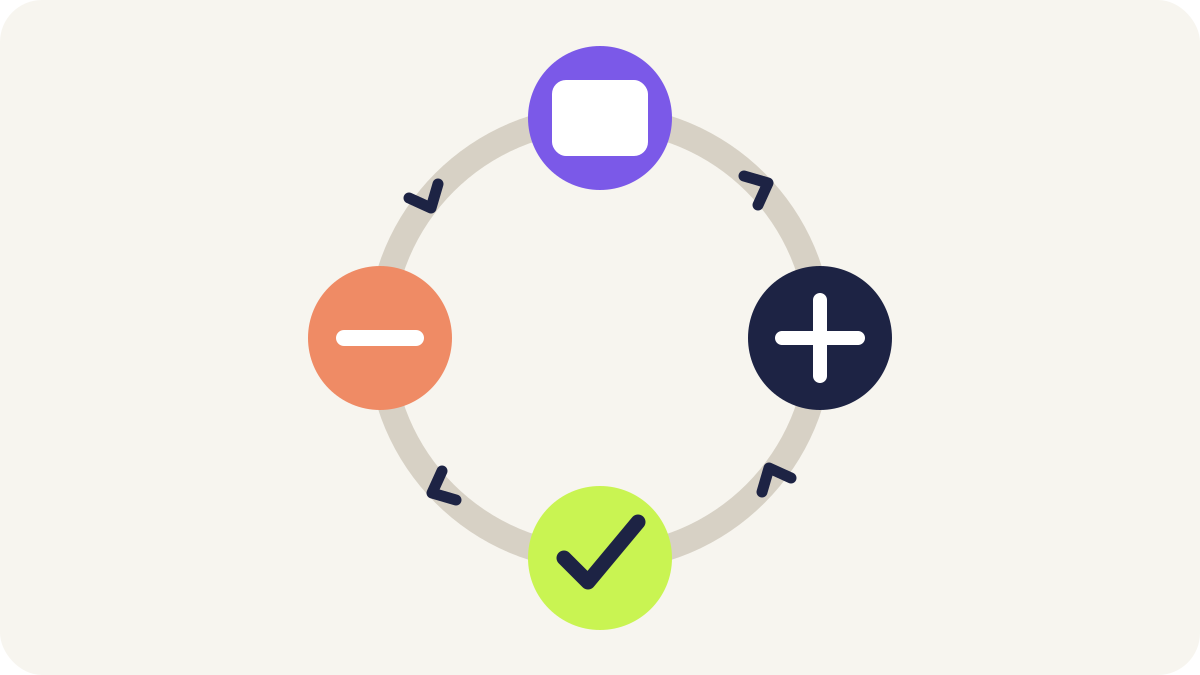
Open the final public URL while signed out. Confirm the link destination, readable context, disclosure, attributes and page access. Save the approval evidence and verification date. Do not close an order based only on a dashboard status.
Linkhouse says it monitors order activity and supports campaign reporting. Linkpool emphasizes live verification before completion. For either workflow, define what happens if the page, link or context changes. The post-publication monitoring guide provides a practical record.
A 45-minute comparison exercise
- Use one campaign brief and destination.
- Find five plausible candidates in each system.
- Remove any candidate you would not show to the client.
- Read the exact pages for the remaining options.
- Normalize the full price and required staff work.
- Record publisher control and revision terms.
- Compare the verification and monitoring record.
The winner is the workflow that produces a defensible shortlist with reasonable effort—not the one that returns the largest number.
Final recommendation
Linkpool fits teams that want article-level contextual opportunities, publisher negotiation and a focused verification flow. Linkhouse fits teams that want broad catalog research, many filters and additional planning modules.
Choose at campaign level. A specialist destination may benefit from contextual matching; a multilingual agency may value marketplace breadth. In both cases, preserve human review and approve the real page rather than a metric summary.
Frequently asked questions
Is Linkpool the same as Linkhouse?
No. Linkpool emphasizes article-level matching and publisher response. Linkhouse emphasizes a broad, filter-led marketplace plus planning tools.
Are third-party SEO metrics enough to approve a site?
No. They can support research, but you must review the publication, exact page, audience, editorial standards and commercial terms.
Should agencies use Backlink Gap data?
It can reveal research candidates. Do not copy a competitor's link without checking whether it is relevant, current and editorially credible.
Which is better for international campaigns?
A large catalog can make country and language research easier. The final decision still depends on available inventory and page-level fit for the specific campaign.