
Linkpool vs Linkatomic: Existing-Article Placement or Sponsored Content?
Linkpool and Linkatomic both connect advertisers with publishers, but they emphasize different deliverables. Linkpool is designed around relevant opportunities in existing publisher content, followed by publisher review and verification. Linkatomic's public workflow prominently supports ordering sponsored articles, with its team writing the content and coordinating publication; it also lists old-post opportunities among its link options.
This comparison uses public information checked on October 31, 2026. Features, inventory, prices and order requirements can change. Review the current platform and terms before buying. No marketplace can guarantee a ranking outcome from one placement.
Quick answer
Choose Linkpool when you want an article-level backlink marketplace where an existing publisher page, destination and proposed context can be reviewed before agreement. Choose Linkatomic when you want to select media, submit article requirements and have a sponsored article written and published, or when its listed media and link formats fit the campaign.
The distinction is not simply “insertion versus guest post.” Linkatomic also advertises old-post links, and Linkpool opportunities depend on what participating publishers accept. Confirm the exact deliverable for each order.

Decide whether the campaign needs a new page
Start with the destination and the reader question. If an existing article already discusses that problem, a carefully reviewed contextual reference may be the shortest route. If the topic needs a complete explanation that does not exist on a suitable publication, a new sponsored article may be justified.
Do not create a new page only to carry a link. The article should have an audience, a clear purpose and enough original value to stand on its own. Likewise, do not force an insertion into an old paragraph that cannot support the destination naturally.
Compare the ordering workflows
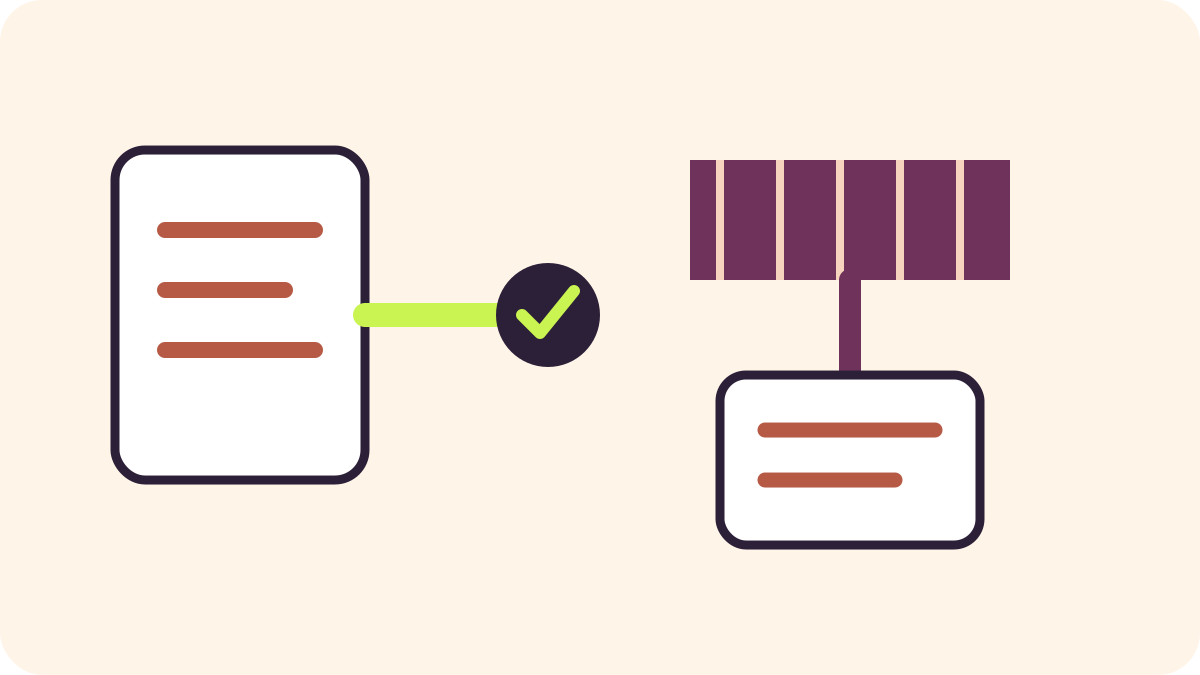
Linkatomic's basic guide describes selecting media, adding balance, submitting a proposed headline, article requirements, links and keywords, then receiving a published URL after writing and publication. Publishers can add sites, set prices, accept or decline orders and review the work.
Linkpool's workflow begins with campaigns and relevant publisher articles. The publisher can review the opportunity and proposed price, then accept, counter or decline. Payment is held while the agreed placement is completed and checked.
One workflow concentrates content production. The other concentrates source–destination matching. Both need clear inputs and an accountable reviewer.
Review media beyond a metric filter
Linkatomic allows buyers to filter media by topic, language, metrics and price. These are useful research controls, not proof of quality. Open the publication, read recent content and inspect how it treats sponsored work and external references.
For Linkpool, connected Search Console information can help distinguish site-level and article-level evidence when available. It still cannot establish editorial quality or guarantee future performance. Record what the data covers and when it was refreshed.
Use the contextual placement approval checklist for either platform. It keeps the decision tied to reader fit, destination accuracy and commercial terms.
Compare the content brief
A sponsored-article brief should include audience, topic, angle, factual sources, claims to avoid, destination purpose, anchor guidance, disclosure and the desired action. Review the entire draft before publication when the workflow permits it.
For an existing-article placement, the brief can be shorter but must be more precise. Quote or identify the relevant passage, explain what information is missing and propose wording that fits the surrounding text. The final anchor should read naturally and describe the destination honestly.
The anchor-text review guide shows how to check paragraph fit without forcing an awkward exact-match phrase.
Compare editorial responsibility
Linkatomic says its writing team produces articles based on advertiser instructions and that media owners can accept or reject orders. Confirm who approves the final draft, who supplies images, how revisions work and how disclosure is handled.
Linkpool leaves the placement decision with the publisher. This can protect editorial voice, but only if the publisher receives enough context and uses that control. Advertisers should expect wording changes when they improve accuracy or readability.
Neither model should be treated as automatic publication. A commercial order does not remove the publisher's responsibility to readers.
Normalize price and timing
Compare content creation, publication, edits, images, platform fees, taxes, duration, monitoring and replacement terms. Linkatomic's public workflow uses an advertiser wallet and shows order status. Linkpool uses opportunity pricing and publisher responses. The displayed number may represent different work.
Use the link insertion pricing guide to evaluate relevance, evidence and editorial effort. For a new article, also count briefing and full-draft review. For an old-post link, count page-level research and contextual editing.
Preserve a clean approval handoff
Create one order record containing the source publication, exact page or article brief, destination, approved anchor, surrounding text, agreed price, publication terms and reviewer. When a draft changes, keep the approved version rather than relying on an email fragment.
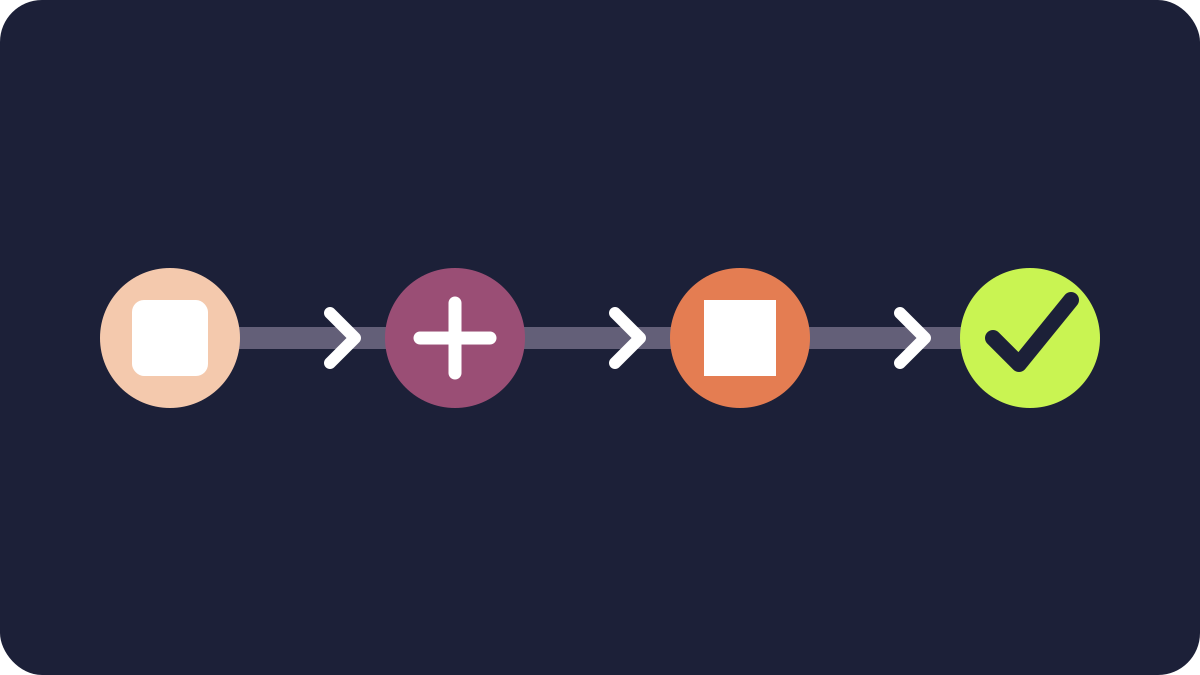
This record matters when a client asks why the placement was selected or when the live page later changes.
Verify the result outside the dashboard
Open the public URL in a signed-out browser. Confirm that the page loads, the agreed content is present, the link reaches the correct destination and the disclosure and link attributes match the agreement. Save the URL and verification date.
The platform status is useful operational evidence, but the public page is the deliverable. Follow the post-publication monitoring process to identify later changes and document resolution.
Run one controlled test
- Use the same destination and audience definition.
- Identify one credible existing article and one credible new-article outlet.
- Draft the insertion context and sponsored-article brief.
- Review both publications with the same checklist.
- Normalize total price and staff time.
- Confirm publisher approval and revision rights.
- Verify the live result and schedule a recheck.
The comparison should reveal whether the campaign benefits from an existing page's context or from a new article built around a fuller explanation.
Final recommendation
Linkpool is the clearer fit when the campaign should begin with an existing article and a publisher-reviewed contextual opportunity. Linkatomic is the clearer fit when the buyer wants media selection combined with sponsored-article writing and publication, or when its old-post inventory contains a suitable page.
Choose the deliverable before the platform. A useful existing article should not be replaced with unnecessary new content, and a complex topic should not be squeezed into an irrelevant old paragraph.
Frequently asked questions
Is Linkpool the same as Linkatomic?
No. Linkpool emphasizes contextual article opportunities and publisher negotiation. Linkatomic prominently offers media selection with article writing and publication, while also listing old-post links.
Is a new sponsored article better than a link insertion?
Not automatically. Use a new article when the topic needs a complete, useful treatment. Use an insertion only when an existing passage genuinely benefits from the reference.
Who should approve the content?
The advertiser should verify factual and destination accuracy, and the publisher should retain editorial control over what appears on its site.
Can either route guarantee search results?
No. Evaluate relevance, reader value, disclosure, verified publication and later maintenance instead of treating one order as a ranking guarantee.