
Backlink Quality Metrics: How to Review Marketplace Evidence
A useful backlink marketplace should help you compare more than a domain score. The strongest placement decision combines the actual article, its search activity, topical fit, publisher terms and the final public link. Treat each metric as evidence with a defined scope—not as a guarantee of rankings, traffic or sales.
The short answer: start with reader relevance and the source page, then use page-level Search Console clicks or impressions when the publisher has supplied them, site-level estimates as a secondary screen, and commercial terms as a separate decision. Reject any opportunity that only looks attractive because one large number hides weak context.
This layered review matters because common metrics answer different questions. A domain score describes a third-party model of a site. Search Console describes past visibility and clicks for a verified property or URL. A live-page review shows whether the proposed sentence belongs in the article. Price and duration explain the commercial commitment. No single field replaces the others.
Use a four-layer evidence model
A practical review can be organized into four layers:
- Context: Does the article genuinely help the same audience as the destination?
- Page evidence: Does the specific source URL have useful search visibility or click history?
- Site evidence: Does the publisher maintain a credible, active and topically coherent website?
- Terms and delivery: Are the wording, price, qualification, duration and verification steps clear?
Start at the top of that list. A strong domain with an unrelated article is still a poor placement. A relevant article with modest traffic may be useful to readers, but the buyer should price it according to the available evidence and campaign goal. A high-traffic page with a forced anchor can damage editorial quality even when the numbers look impressive.
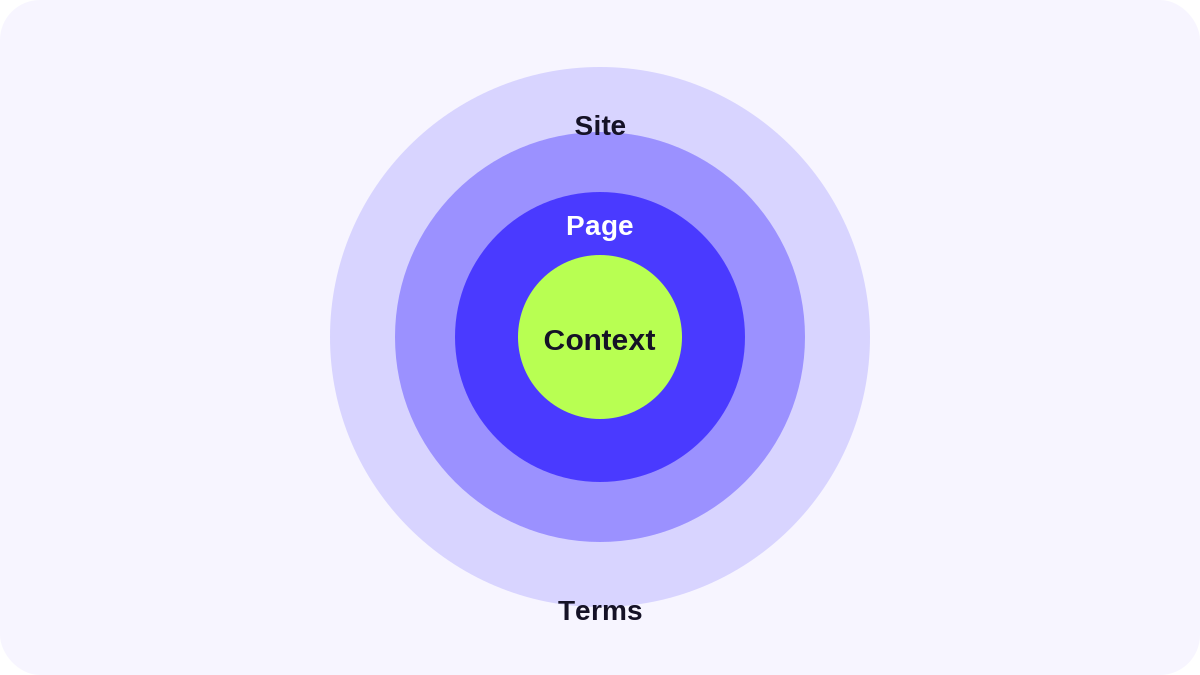
Move from the exact article outward; do not let a site-wide score overrule weak page context.
Read Search Console data at the right scope
Google Search Console reports how often a property or page appeared in Google Search and how often searchers clicked through. Google defines impressions, clicks, click-through rate and average position in its Search Console metric documentation. These figures describe past search activity; they do not forecast the value of a future link.
Ask whether a number is site-wide or URL-specific, which search type it covers, what date range it uses and when it was last refreshed. A page-level value is usually more relevant to a proposed placement than a property-wide total, but it still needs context. A seasonal article can have a large historical spike and little current demand. A newly published page can be useful despite having a short data history.
Linkpool lets advertisers compare relevant existing articles and available traffic signals before requesting a placement. Publisher-provided Search Console context can strengthen a review because it comes from the verified property, while estimates remain useful when direct data is unavailable. Keep the labels distinct so an estimate is never presented as first-party measurement.
For a deeper explanation of scope and limitations, use the guide to reading Google Search Console traffic.
Treat third-party authority scores as screening signals
Domain Authority, Domain Rating and similar measures are vendor models, not Google metrics. Their scales, link indexes and formulas differ, so a score from one tool should not be compared directly with a score from another. Even within one tool, a domain-level score says little about whether the specific article is relevant, visible or editorially maintained.
Ahrefs itself advises against using Domain Rating as a standalone quality measure and recommends pairing it with other evidence. Use authority scores to identify candidates that deserve closer inspection, detect large anomalies or compare sites within the same dataset. Do not turn an arbitrary threshold into an automatic approval rule.
Compare the article, not just the website
Open the exact proposed source URL. Read the introduction, section containing the placement and surrounding links. Ask whether a signed-out reader would understand why the destination is referenced at that point.
Review:
- topical overlap between the article and destination;
- the purpose of the proposed sentence;
- whether the anchor accurately describes the target;
- the age and maintenance of the source article;
- existing external links in the same section;
- whether the page is public, canonical and accessible;
- whether disclosure and commercial qualification are appropriate.
A page can pass every metric threshold and still fail this editorial test. Record the reason for approval in words, not only as a numeric score. Use the contextual anchor-text review workflow to test destination accuracy and paragraph fit.

Approve the exact sentence and source page; site-wide numbers are supporting evidence.
Keep price outside the quality score
Price is a commercial term, not proof of quality. Compare the requested amount with the relevance of the article, available page evidence, editorial work, expected duration, revision process and verification conditions. Include platform commission, writing or editing labour, monitoring and internal review time when calculating total cost.
Linkpool shows the proposed price and lets publishers accept, counter or decline. Its public pricing explains that advertisers use prepaid credits, with one credit equal to US$1, and that payment is held while the submitted link is checked. Publishers set their own minimum price, and the default publisher share is 80% with a 20% platform commission. Confirm the current terms shown for the exact request before approving it.
Verify the delivered link separately
Pre-purchase metrics describe the opportunity. They do not prove delivery. After publication, open the public source URL while signed out, follow the destination and inspect the rendered anchor. Confirm the agreed wording, location, URL, disclosure and link attributes.
Google’s spam policies say links bought or sold for ranking purposes can violate policy. Advertising and sponsorship links should be qualified appropriately with rel="sponsored" or rel="nofollow". The paid-link attribute guide explains how to record that decision without treating qualification as a ranking promise.
Save the public URL, check time, observed destination, anchor, surrounding sentence and rel values. If the agreement includes an expected duration, assign a future review owner. The verification record should show what became public, not merely what a dashboard or email promised.

Finish the review with public evidence: the live page, destination, attributes and check time.
A compact decision worksheet
Use one line for each candidate:
- Source URL and topic
- Destination and campaign goal
- Reader-fit rationale
- Page-level clicks or impressions, date range and source
- Site-level estimate or authority metric, vendor and date
- Proposed sentence and anchor
- Price, commission, duration and revision terms
- Required disclosure and link qualification
- Approver and decision
- Public verification URL and timestamp
Mark unavailable data as unavailable. Do not replace it with zero or a guess. This makes records comparable and prevents a missing first-party metric from being disguised as a confirmed result.
Final recommendation
Choose placements by reading the article first, then adding page evidence, site signals and commercial terms. Search Console activity can strengthen a decision when its scope and date range are clear. Third-party authority scores can help with screening. Neither should overrule editorial relevance or replace public verification.
A defensible marketplace workflow records what each metric measures, who supplied it and what it cannot prove. That is more useful than a single composite score—and easier for advertisers, publishers and clients to audit later.
Frequently asked questions
Which backlink metric matters most?
No single metric is sufficient. Start with topical and reader relevance on the exact source page, then review page-level search activity, site credibility, terms and the final public delivery.
Are Domain Authority and Domain Rating Google ranking factors?
No. They are third-party metrics based on vendor datasets and models. Use them as comparative screening signals, not as Google measurements or guarantees.
Are Search Console clicks better than estimated organic traffic?
They answer different questions. Search Console clicks are first-party observations for a verified property and date range. Estimates can help when direct access is unavailable, but should remain clearly labeled as estimates.
Should a marketplace guarantee ranking improvements?
No. A marketplace can document discovery, approval, pricing and delivery, but rankings depend on many systems outside a placement workflow. Avoid claims of guaranteed traffic or ranking gains.
What should be saved after a link is published?
Save the public source URL, destination, anchor, surrounding text, disclosure, rel values, verification time and any agreed duration. Recheck material changes against the accepted terms.